
A fast, healthy metabolism makes it easier to burn calories, lose fat, and maintain a lean physique for life. A sluggish metabolism, on the other hand, can cause you to gain weight more easily even when eating relatively little.
While genetics and age play a role (we naturally lose 5–6 pounds of muscle per decade starting in our late 20s if we do nothing about it), many factors are completely within our control: body composition, diet, exercise habits, daily movement, sleep, and hydration.
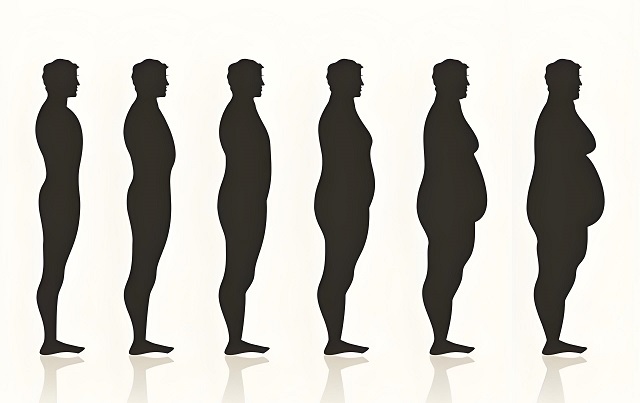
Here are 8 science-backed, practical strategies to rev up your metabolic rate, burn more fat, and set yourself up for sustainable weight loss in 2026.
1. Build & Maintain Lean Muscle with Strength Training
Muscle is metabolically active tissue. Every pound of muscle burns approximately 14 calories per day at rest, compared to only 2–3 calories per pound of fat.
Adding 2–3 strength training sessions per week (using free weights, machines, resistance bands, or bodyweight exercises like push-ups and pull-ups) is one of the most powerful ways to increase your resting metabolic rate long-term. People with higher muscle mass burn significantly more calories even when they’re not exercising.
2. Swap Steady-State Cardio for HIIT
Long, moderate-pace cardio burns calories during the session, but High-Intensity Interval Training (HIIT) is far more efficient.
HIIT involves short, all-out bursts of effort (e.g., 30-second sprints) followed by recovery periods. It forces your body to work harder, increases mitochondrial activity, and creates a powerful afterburn effect (elevated metabolism for up to 36 hours post-workout).
Example HIIT session:
- Jog or cycle at a moderate pace
- Sprint all-out for 30 seconds
- Recover for 60 seconds
- Repeat 8–12 times
If you’re not gasping for air during the intense intervals, push harder — intensity is key.
3. Avoid Extreme Calorie Restriction
Yes, you need a calorie deficit to lose fat — but crash dieting or chronically under-eating slows your metabolism dramatically.
Your body adapts to low calories by becoming more energy-efficient, burning fewer calories overall to preserve fat stores. This is why many people regain weight quickly once they return to normal eating.
Better approach: Create a moderate, sustainable calorie deficit (300–500 kcal below maintenance) that you can maintain long-term without feeling deprived.
4. Prioritize Protein at Every Meal
Protein has the highest Thermic Effect of Food (TEF) — your body burns 15–30% of the calories from protein just to digest and process it (compared to 5–10% for carbs and 0–3% for fat).
A higher-protein diet can increase daily calorie burn by 100–200 calories and helps preserve muscle while you’re in a deficit. Protein also keeps you fuller longer, reducing cravings and overeating.
Simple rule: Aim for 20–30% of total daily calories from protein, or include a serving of high-quality protein (lean meat, fish, eggs, Greek yogurt, legumes, nuts, tofu) in every meal and snack.
5. Drink Black Coffee Strategically
Caffeine can boost metabolism by 3–11% temporarily and enhances fat oxidation during exercise.
One cup of black coffee about 30–60 minutes before training can improve performance, increase calorie burn, and amplify fat loss — without needing to rely on it all day.
6. Move More Throughout the Day (NEAT)
Even if you hit the gym, spending 8+ hours sitting can sabotage your metabolism. Prolonged sitting is linked to weight gain, metabolic slowdown, and numerous health risks.
Boost Non-Exercise Activity Thermogenesis (NEAT) with small changes:
- Use a standing desk
- Set hourly movement reminders
- Take short walks during breaks
- Walk to lunch instead of driving
- Take stairs instead of elevators
These “incidental” movements add up to hundreds of extra calories burned daily with almost no effort.
7. Stay Hydrated
Even mild dehydration can slow your metabolic rate because your body needs water to efficiently process calories.
Easy habits:
- Drink a full glass of water first thing in the morning
- Have a glass before every meal
- Start meals with a low-calorie vegetable soup
- Snack on water-rich fruits and vegetables
Avoid sugary drinks and limit alcohol — they deliver empty calories that add up fast.
8. Prioritize Sleep
Poor sleep disrupts hormones that regulate hunger and metabolism:
- Leptin (signals fullness) decreases
- Ghrelin (stimulates hunger) increases
As a result, sleep-deprived people feel hungrier, crave more calories, and burn fewer calories overall.
Aim for 7–9 hours of quality sleep per night — it’s one of the most underrated ways to support a fast metabolism and easier fat loss.
Final Thoughts
You’re not doomed by genetics or age. Small, consistent changes to your lifestyle — building muscle, training smarter, eating enough protein, moving more, staying hydrated, and sleeping well — can dramatically increase your metabolic rate and make weight loss far easier and more sustainable.
Start with 2–3 of these strategies, master them, then layer in the rest. Your future self (with more energy, better body composition, and easier weight maintenance) will thank you.
What’s one change you’re going to try first? Share in the comments below! 🚀




Leave a Reply